Cultural perspectives on luck how different societies approach gambling
Understanding Luck in Different Cultures
Luck is an intrinsic concept that varies significantly across cultures, influencing how societies engage with gambling. In many Western societies, luck is often viewed as a random occurrence, heavily tied to chance. This perception fosters an environment where gambling is popular and widely accepted, with casinos and lotteries forming an integral part of the entertainment landscape. This cultural perspective allows individuals to see games of chance not just as risky endeavors but as opportunities for luck to favor them.
In contrast, some Eastern cultures view luck more as a fixed entity intertwined with fate and destiny. For example, in Chinese culture, luck is often linked to auspicious symbols and numbers, such as the number eight, which is associated with wealth. This cultural lens shapes how gambling is approached, where players may select their games or numbers based on beliefs about luck and its influences. Such practices can make gambling a more ritualistic experience, bridging personal belief systems with social activities.
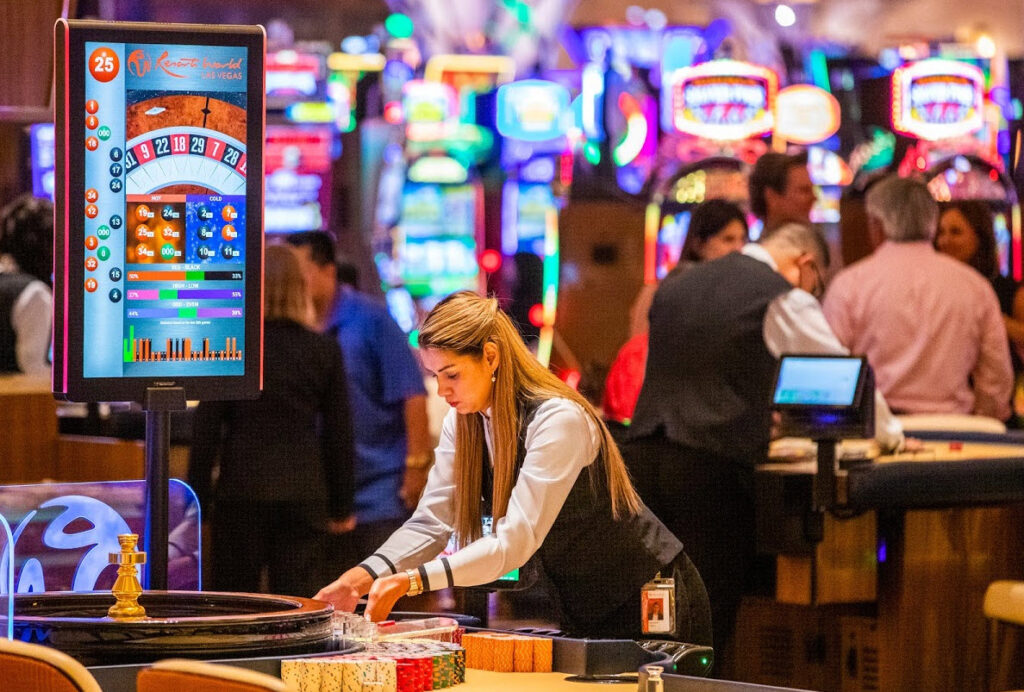
Moreover, indigenous cultures often integrate luck into broader spiritual frameworks. For many Native American tribes, luck is seen as a communal affair rather than a solitary pursuit. Traditional games and practices may involve community gatherings where gambling is part of cultural rituals. This perspective emphasizes collective luck and harmony, highlighting that the outcomes of games often reflect the wellbeing of the community rather than just individual gains.
The Role of Superstitions in Gambling
Superstitions are deeply embedded in gambling practices across the globe. In many Western contexts, gamblers often rely on lucky charms or rituals, such as wearing specific clothing or performing certain actions before placing a bet. These behaviors stem from a belief that they can influence luck, which enhances the emotional thrill of the gambling experience. Casinos often capitalize on these superstitions, creating atmospheres rich with symbols of good fortune, such as four-leaf clovers and horseshoes.
Conversely, in various Asian cultures, specific superstitions dictate how games are played. For example, in many parts of Asia, players may avoid specific numbers or colors during gambling sessions, believing them to bring bad luck. For instance, the number four is often avoided as it sounds like the word for “death” in many Chinese dialects. This cultural nuance adds layers of complexity to gambling strategies and choices, reflecting deeply ingrained beliefs that extend far beyond mere luck.
Furthermore, superstitions also manifest in the rituals surrounding gambling establishments. In some cultures, it is customary to perform specific rites before entering a casino. For instance, certain rituals may involve offering prayers or performing cleansing ceremonies, reinforcing the belief that luck is not just a product of chance but also of spiritual favor. This intertwining of spirituality and gambling demonstrates the profound ways in which cultural beliefs shape gambling practices.
Gambling as a Social Activity
In many cultures, gambling transcends the act of playing games for money; it serves as a vital social activity that fosters community bonds. In Mediterranean countries, for instance, gambling is often viewed as a communal event, where families and friends gather to play games together. This social dimension makes gambling a way of celebrating relationships and creating shared memories, rather than merely focusing on winning or losing.
Similarly, in the Caribbean, traditional games such as dominos serve not only as a form of entertainment but also as a cultural gathering point. These games facilitate conversations and strengthen social ties, showing that the act of gambling is deeply rooted in shared experiences. In these contexts, luck becomes a collective experience, where the success or failure of one player impacts the entire group, fostering a sense of unity.
Moreover, in Asian societies, certain festivals feature gambling as a central element of celebration. Events such as Chinese New Year see families engaging in traditional games like Mahjong, emphasizing luck and fortune as vital components of the new year. This cultural practice transforms gambling into a vehicle for hope and optimism, suggesting that luck is not solely individual but also a communal aspiration for prosperity.
Modern Gambling Trends and Cultural Shifts
The rise of online gambling platforms has ushered in significant cultural shifts in how societies approach gambling. As digital technology becomes ubiquitous, traditional gambling practices are increasingly supplemented—or even replaced—by online alternatives. In this digital age, individuals no longer need to visit physical casinos; they can engage in betting from the comfort of their homes. This convenience brings a new layer of complexity to the cultural understanding of luck.
However, the transition to online gambling does not erase cultural perspectives on luck; rather, it evolves them. For example, many players now seek virtual community experiences, participating in live dealer games that simulate the social elements of physical casinos. This blend of technology and social interaction illustrates that even in an online setting, cultural beliefs around luck and fortune remain integral to the gambling experience.
Additionally, the online gambling sector often tailors its offerings to different cultural contexts, incorporating local beliefs about luck and fortune into game design. This adaptability helps bridge cultural divides, making gambling a globally engaging activity while still respecting local traditions and perspectives on luck. As societies continue to embrace digital forms of gambling, the understanding of luck will likely evolve, reflecting a blend of traditional beliefs and modern practices.
Exploring Casea Casino: A Blend of Tradition and Modernity
Casea Casino is a prime example of how modern technology has transformed the gambling landscape while respecting cultural perspectives. This online gambling platform offers an extensive range of games designed for players across different cultural backgrounds, integrating elements that resonate with various beliefs about luck. With over 10,650 games, players can find options that align with their personal and cultural preferences.
In addition to a wide selection of games, Casea Casino provides generous bonuses and promotions tailored to attract both casual and serious bettors. These offerings create an inviting atmosphere where players can explore their luck without the pressures often associated with traditional brick-and-mortar casinos. Furthermore, the platform emphasizes user experience, ensuring that navigation and usability are streamlined, making it accessible for everyone.
Ultimately, Casea Casino embodies the intersection of culture and modern gambling trends. By providing a safe and engaging environment, it invites players from diverse backgrounds to participate in games of chance while respecting their unique cultural perspectives on luck. This inclusive approach not only broadens the appeal of the casino but also reinforces the idea that luck is a universal concept shaped by individual and collective beliefs.